

San José Travel Guide: Don’t Skip It
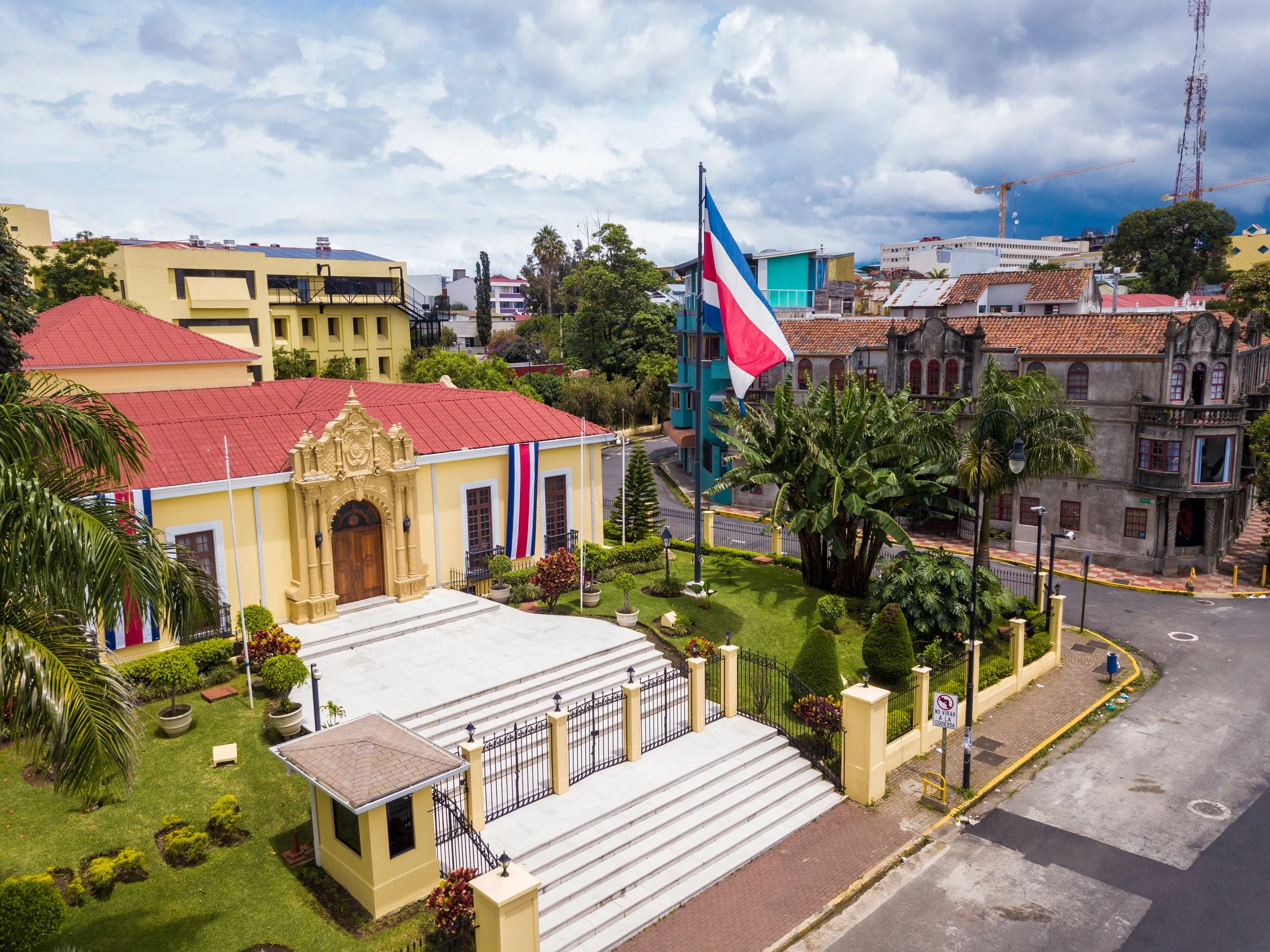
View of Casa Amarilla and Jiménez Apartment Building
Most Costa Rica itineraries are written the same way: fly into San José, get out as fast as possible, head straight to Arenal (or Guanacaste). It's the well-beaten path — and it's why most travelers come home with the same trip as everyone else.
Here's a different approach. Spend your first days in the east. You'll see landscapes that few tourists ever get to see, and you will hopefully discover some beautiful places along the way.
Staying in San José
San José has a reputation problem. Travelers who rush through it miss one of the most underrated cities in Central America.
Skip the shopping centers and head straight to Barrio Escalante — San José's up-and-coming creative neighborhood. Full of independent restaurants, street art, and specialty coffee shops that take their craft seriously. Have breakfast at Cafeoteca, or, if it's Saturday and you're an early riser, at Feria Verde de Aranjuez, one of the best farmers' markets in the country.
Then start making your way west. Distances are short, and you can easily walk the whole route. Along the way, you'll pass the old Customs Building — a stunning iron structure now used as an events pavilion — followed by the Atlantic Railway Station and the Contemporary Art Museum, housed in a 19th-century liquor warehouse reimagined as a cultural space.
Carve out two hours for the Museo del Jade: home to the largest jade collection in the Americas, and genuinely the best cultural grounding you can get before exploring the rest of the country. Then walk a few blocks down Avenida Central — San José's oldest pedestrian street — to Plaza de la Cultura, the beating heart of the city.
Here, you have two great choices. You can take a guided tour of the Teatro Nacional, San José's most iconic building, and learn about the country's history and coffee-growing tradition. Or you can descend into the Museo del Oro, located beneath the plaza — ranked among the 20th century's best buildings by Phaidon Press. The collection of gold figurines, statues, and tools is stunning, and a natural continuation of the jade exhibit just a few blocks away.
Wrap up your walk by ducking into the Mercado Central. Get pleasantly lost in its alleys, browse the endless variety of stalls, and — if you're feeling adventurous — grab a sorbetera ice cream from the legendary Lolo Mora's.
Traveling with kids? The Children's Museum, housed in a beautifully converted former prison, is well worth a visit and includes several institutions under one roof.

Democracy Plaza with the National Museum, Jade Museum and National Assembly Building
Day Trips from San José
San José is an ideal base for exploring the Central Valley and beyond. Here are some of the best day trips — ranging from volcano craters to thundering waterfalls — that most travelers never make time for:
Irazú Volcano & Lankester Botanical Garden — Pair these two on a single day headed southeast toward Cartago. Start early at Irazú Volcano National Park — at 3,432 meters, Costa Rica's highest active volcano. On clear mornings you can see both the Pacific and Atlantic coasts from the crater rim, and the moonlike landscape surrounding the turquoise crater lake is unlike anything else in the country. On your way back down, stop at Lankester Botanical Garden, run by the University of Costa Rica and home to one of the finest orchid collections in the Americas. February and March are peak bloom season, but it rewards a visit any time of year.
Poás Volcano National Park — One of the world's most accessible active volcanoes, Poás sits just over an hour northwest of San José and lets you peer directly into one of the largest volcanic craters on the planet. The acidic turquoise lagoon at the bottom is otherworldly. Access is managed through a timed entry reservation system, so book ahead — spots fill quickly, especially on weekends. Pair it with a stop at a local coffee estate in the Poás highlands on your way back.
La Paz Waterfall Gardens — Located on the slopes of Poás Volcano, this nature park makes a natural add-on to a Poás day or a rewarding standalone trip. A trail winds past five dramatic waterfalls — including the thundering La Paz falls — through cloud forest teeming with hummingbirds, toucans, and butterflies. The butterfly observatory and the big cat sanctuary round out a surprisingly full day. It skews slightly more touristy than the other options here, but the waterfalls alone make it worth it.
Orosi Valley & Ujarrás Ruins — A green, quiet river valley southeast of the capital, lined with coffee plantations and dotted with colonial chapels. The ruins of the Ujarrás church — Costa Rica's oldest — sit beside a peaceful reservoir. Few tourists make it here. That's exactly the point.
Practical Tips for San José
Getting around: The historic center is walkable. For day trips, rent a car or book a private transfer — public buses reach most destinations but require early starts.
Best time to visit: The dry season (December–April) means clear skies for volcano views. The green season brings lush landscapes and fewer crowds.
Where to stay: Barrio Escalante and Los Yoses offer the best mix of walkability, restaurants, and boutique hotels. Skip the chain hotels near the airport if you can.
Safety: Like any capital city, stay aware. Stick to well-traveled areas at night and leave valuables at your hotel.
San José rewards the curious traveler. Give it two days — really give it two days — and you'll leave with a far richer understanding of Costa Rica than any beach resort can offer.
Planning a trip to Costa Rica? Explore more off-the-beaten-path itineraries at onetwotrail.com.