

Hidden Gems: Turrialba & Cartago — The Volcanic Valley Most Tourists Drive Through Without Stopping
Hidden Gems is a monthly Costa Rica Travel Pass series spotlighting the experiences that don’t make it onto the standard tourist itinerary — but consistently become the stories travelers tell when they get home.
Two hours east of San José, the terrain shifts. The air cools. The highway narrows into roads lined with coffee and sugarcane. Most tourists pass through this region on the way to the Caribbean coast without stopping — which means one of the richest cultural and ecological valleys in Costa Rica belongs almost entirely to those who know to look for it.
Here are five experiences in the Turrialba and Cartago region worth building a full day — or two — around.
1. The Orosi Valley — Church, Hot Springs, and One of the Country’s Best Views
The Orosi Valley is the kind of place that makes you wonder why it isn’t on every itinerary. The valley floor holds the oldest continuously operating church in Costa Rica — the Iglesia de San José de Orosi, built in 1743 — surrounded by coffee farms and framed by cloud-draped mountains on every side.
Below the town, natural thermal hot springs feed a public balneario where locals have been soaking for generations. Entry is a few dollars. The water is genuinely hot. The setting is a river valley with no resort infrastructure in sight.
The drive into the valley — particularly the lookout point at the top of the descent — delivers one of the most quietly spectacular views in the eastern Central Valley region.
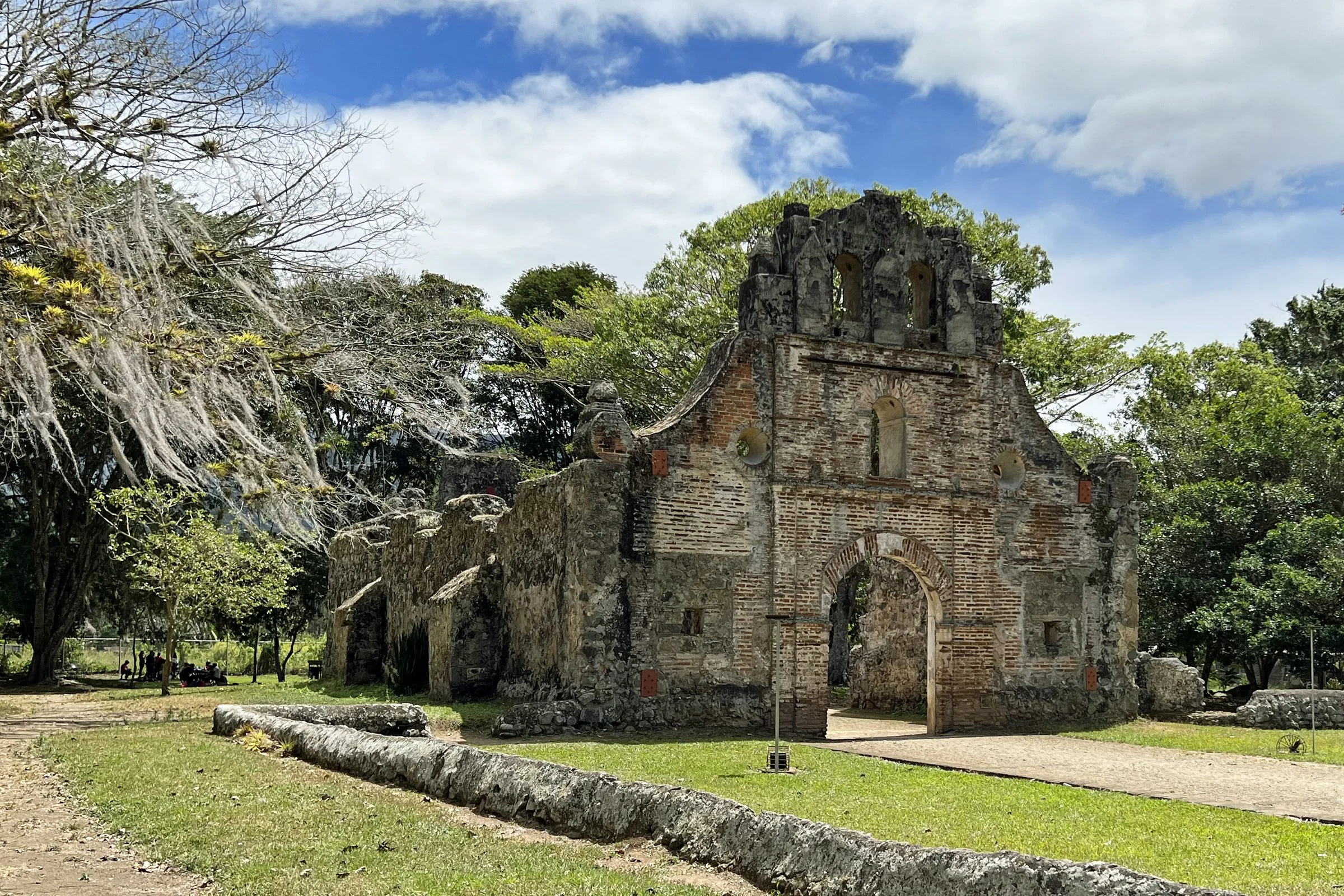
Ujarrás Temple Ruins
2. Ujarrás Ruins
Ujarrás is the kind of ruin that rewards slow travelers. The remains of Costa Rica’s first Spanish colonial church — built in 1580 and abandoned after a catastrophic flood in the 18th century — sit at the edge of the Cachí Reservoir in the Orosi Valley, surrounded by gardens and an almost complete absence of other visitors.
The Cachí Reservoir itself is worth a stop: a long, calm body of water set against forested ridges, with a dam viewpoint that surprises most travelers who stumble onto it.
Combine with: Orosi church and hot springs for a single full-day loop through the valley — one of the most satisfying day trips available from San José that almost nobody does.
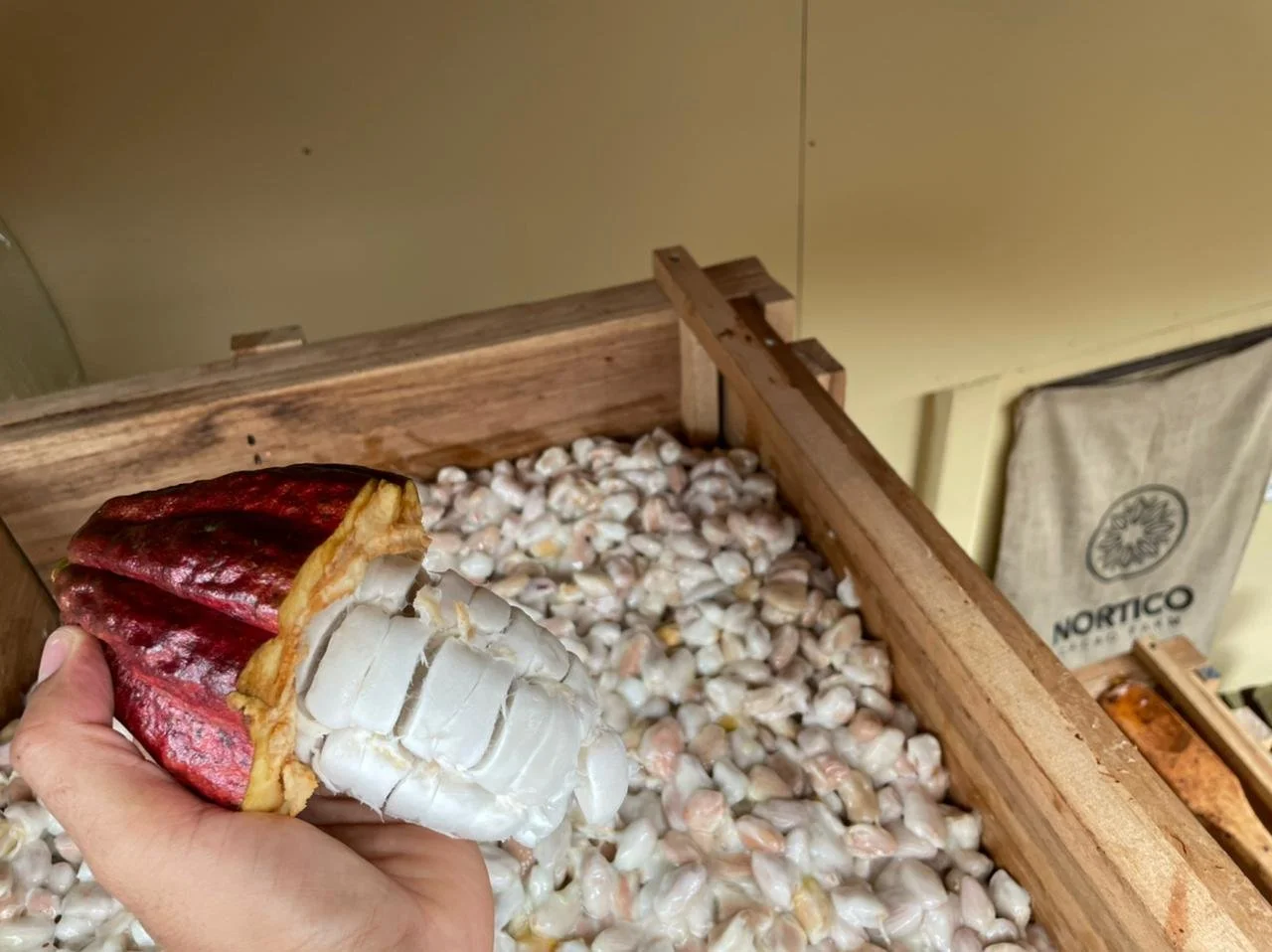
Nortico Cacao Farm
3. Nortico Cacao Farm
Nortico is a working cacao farm on the Caribbean slope — one of the few places in Costa Rica where you can trace chocolate from the living tree to the finished bar in a single visit. The experience is unhurried, deeply educational, and completely unlike anything on the standard tourist circuit.
The farm sits in a transition zone between highland coffee country and lowland rainforest, which means the biodiversity around it is extraordinary even by Costa Rican standards. Plus, their chocolate has been widely awarded, and it’s definitely worth a tasting.
For travelers who care about food provenance: This is a full morning, not an hour. Give it the time it deserves.
4. A Specialty Coffee Farm in the Turrialba Valley
The volcanic slopes around Volcán Turrialba produce some of Costa Rica’s most complex and least-explored coffee — grown by small family producers and large haciendas alike, who rarely appear in guidebooks or on booking platforms.
A morning at one of these farms is the antidote to the airport gift shop version of Costa Rica coffee culture. Walk the rows, understand the process from cherry to cup, and drink something that won’t be available anywhere else. The Costa Rica Travel Pass lists verified producers in this region, including several that don’t take walk-ins without a prior connection.
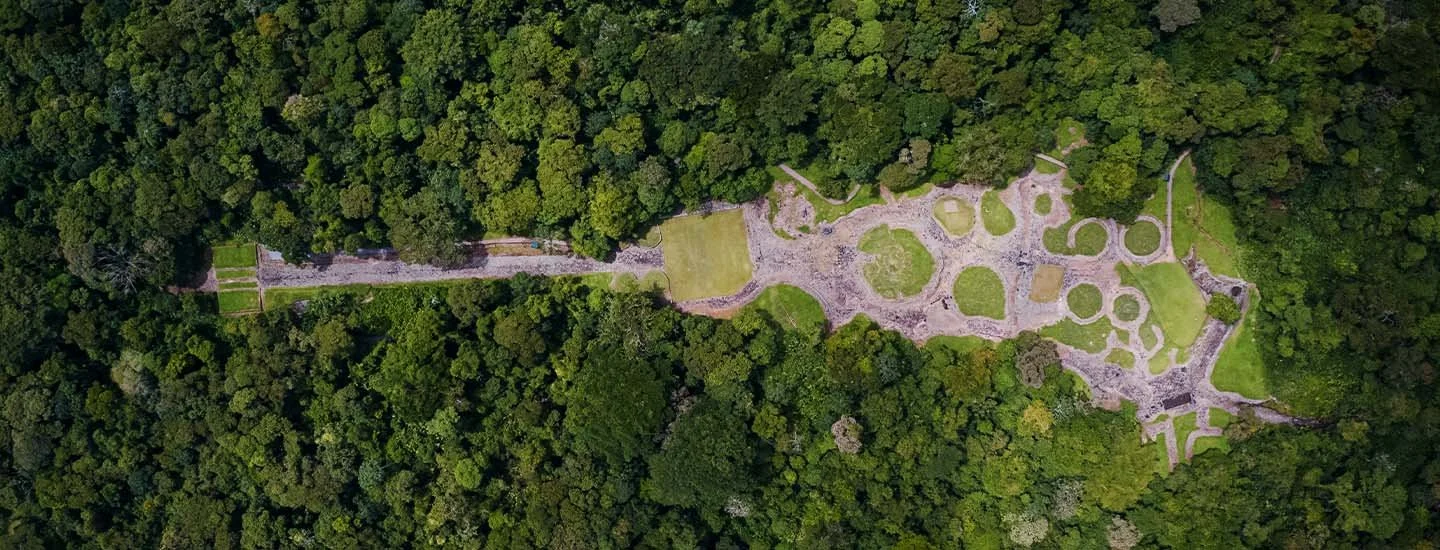
Monumento Arqueológico Guayabo
5. Monumento Nacional Guayabo
Monumento Nacional Guayabo is the most significant pre-Columbian archaeological site in Costa Rica and one of the most undervisited in all of Central America. A settlement occupied continuously for over 2,000 years, it features ancient causeways, stone mounds, and an aqueduct system still carrying water today — engineered more than a millennium ago.
On most mornings you’ll share the trails with almost no one. The forest surrounding the ruins is dense with wildlife: toucans, mot-mots, and the occasional resplendent quetzal have all been spotted along the access path.
Practical: Open Tuesday–Sunday. Entry ~$9. Located 19km north of Turrialba on a fully paved road — manageable in a standard vehicle.
Plan This as a Two-Day Trip
Turrialba and Cartago reward travelers who stay overnight rather than rushing back to San José. A two-day structure — Guayabo and the coffee farm on day one, Orosi Valley loop on day two — gives you the pace these places deserve.
The Costa Rica Travel Pass covers experiences across this entire region, with practical access details for each one. It’s the difference between knowing these places exist and actually getting there.
Get your Travel Pass and explore the valley →
Next in the Hidden Gems series: Limón & the Caribbean Coast — the side of Costa Rica that feels like a different country.
OneTwoTrail is Costa Rica’s independent traveler platform. Explore at [costaricatravelpass.com]